1. WangYahui: A Retrospective (tentative title)
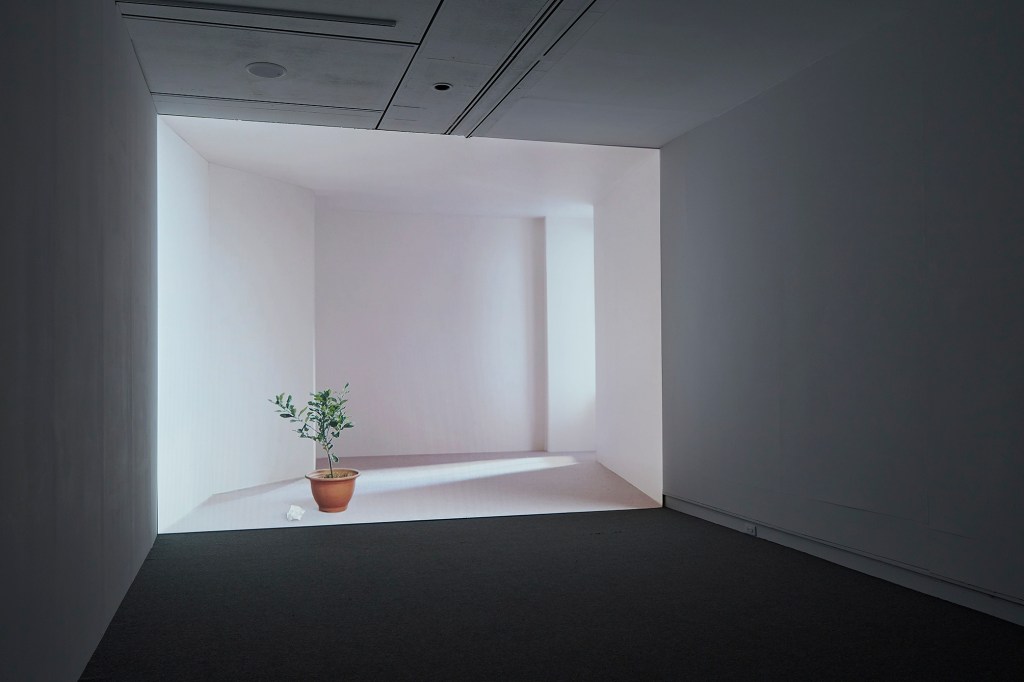
| 王雅慧:回顧展(暫名) WangYahui: A Retrospective (tentative title) 2026.09.12–2027.01.03 Taipei Fine Art Museum |
I miss Wang Yahui very much. Her work is always simple and unassuming, yet profoundly beautiful. She truly captures the space between language and feeling, moving from personal experience to a broader, almost universal dimension. This may, in part, be related to her use of handmade methods and low-tech approaches in building her worlds. Since her passing in 2023, this retrospective becomes an important opportunity to revisit her work and to realise how deeply she is missed. (Elanor Wang)
2. Material Extensions
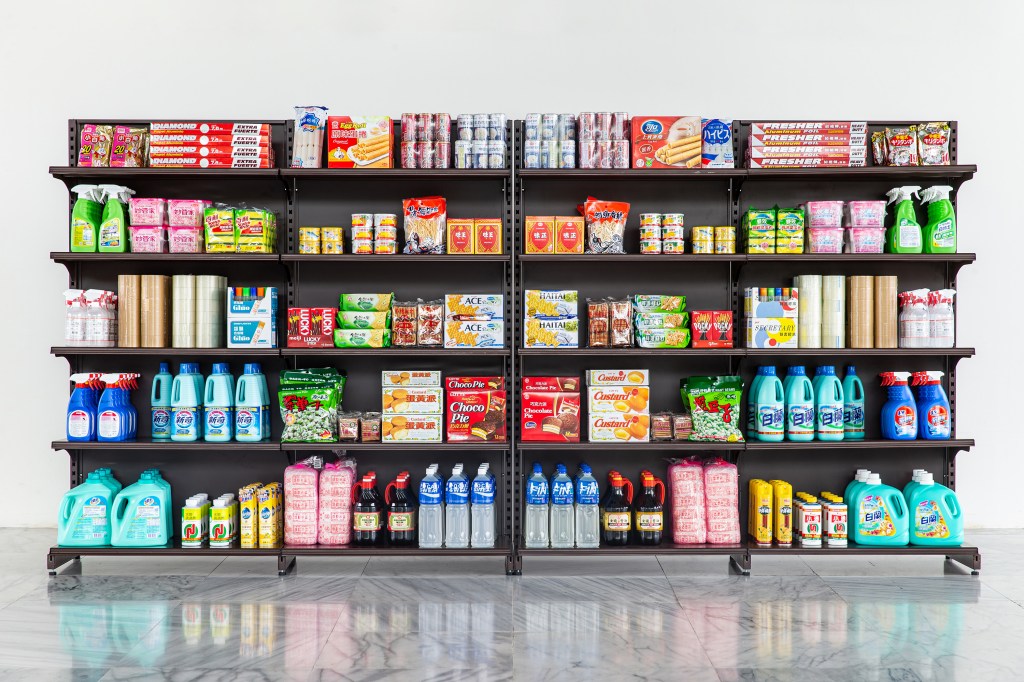
| 物質世界 Material Extensions 2026. May–August Taipei Fine Art Museum |
Curated by Feng Hsin, Material Extensions not only explores the relationship between materials and human experience but also seeks to reflect on our capacities for observation and sensitivity. In dialogue with Feng’s earlier project, An Open Ending: TFAM Screening Project, Material Extensions may be seen as another way in which she engages the audience’s perception, quietly and with a low-key restraint. (Elanor Wang)
3. Of Thread and Stone
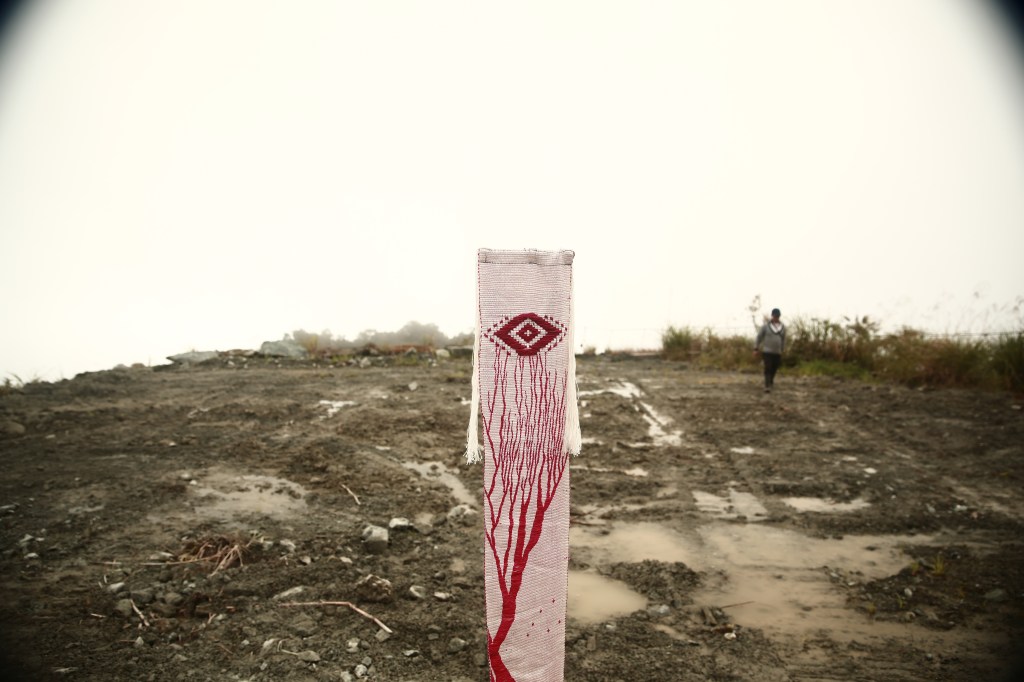
| 棉線與石頭 Of Thread and Stone 2026.02.07–06.14. New Taipei City Art Museum |
I have long been a fan of Tsou Ting’s and Wang Hangfang’s curatorial projects. In Tsou’s earlier exhibition, In Terms of Sport, as well as in Hangfang’s Everyday Performing (co-curated with Feng Hsin), I see a curatorial sensibility that weaves together seemingly unrelated threads. I am therefore very much looking forward to what will emerge from their upcoming collaboration, especially how Forensic Architecture’s practice will feed into their exploration of “the culture of material and non-material.” (I-Ying Liu)
4. Minjian / Photography: Documentary Vision and Its Realist Inflection (tentative title)
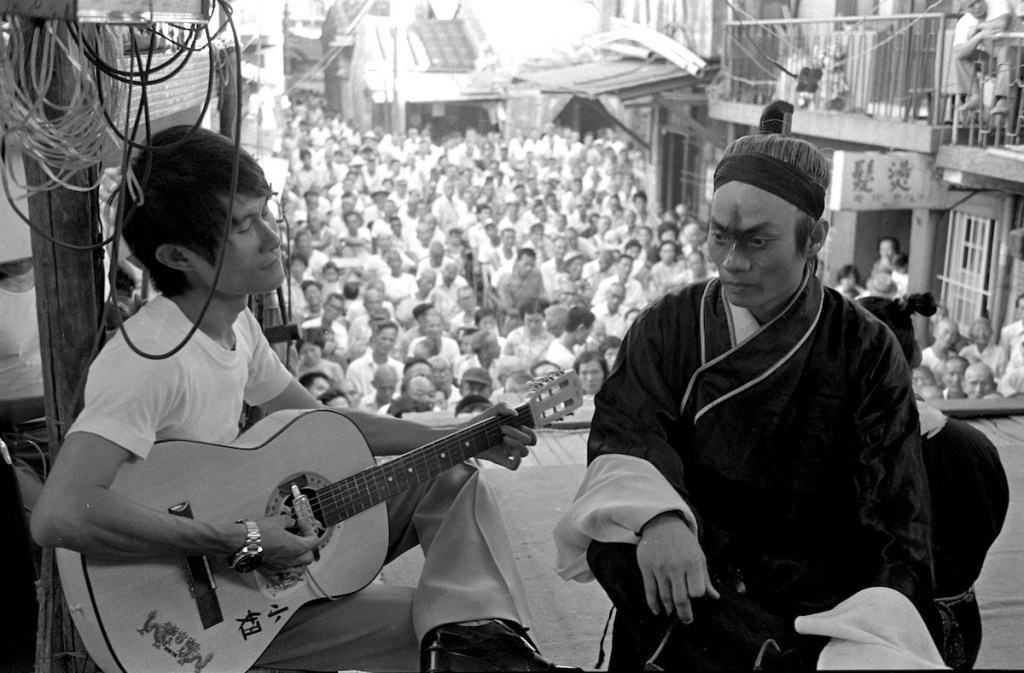
| 民間/攝影:紀實影像的敘事生成 Minjian / Photography: Documentary Vision and Its Realist Inflection (tentative title) 2026.07.18–2026.11.15 New Taipei City Art Museum |
As a dedicated researcher of Taiwanese photographic history, Chang Shih-Lun is known for the depth of his research and the distinctive analytical perspective. Even though I have not yet seen his exhibitions, his materials often make me wonder how he discovered such details. Minjian / Photography traces documentary practices from Taiwan’s Japanese colonial period to the present, examining how photography records local social realities and rethinks “the folk” as a key concept in visual culture. I am especially looking forward to seeing what he uncovers in this curatorial process. (Elanor Wang)
5. Tomás Saraceno: Interwoven
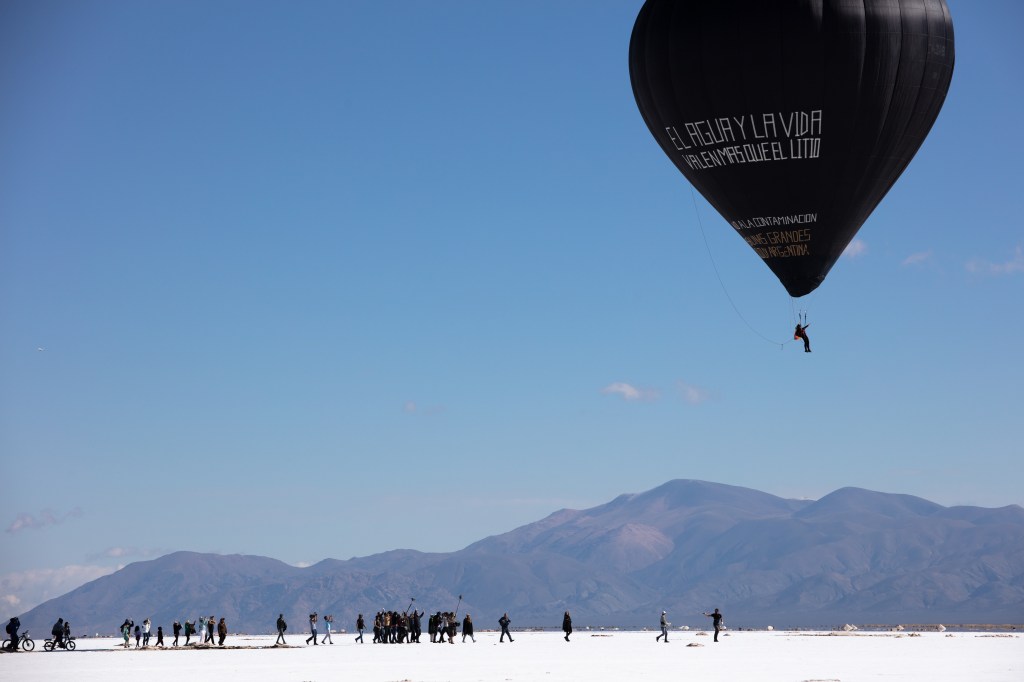
| 托馬斯.薩拉切諾:共織宇宙 Tomás Saraceno: Interwoven 2026.03.21–09.06 New Taipei City Art Museum |
Following Olafur Eliasson’s landmark solo show at TFAM last year, it is exciting to learn of Tomás Saraceno’s arrival at NTCAM. In a landscape increasingly dominated by research-driven, theory-laden works, it does feel revitalising to encounter exhibitions that engage the senses rather directly. I am particularly curious to see how Saraceno’s exploration of the ecosocial interrelations, especially his signature spider web series, will unfold in dialogue with NTCAM’s gallery spaces. (I-Ying Liu)
6. Chen Chih-Chi Solo Exhibition: A Fleeting yet Vibrant Voice
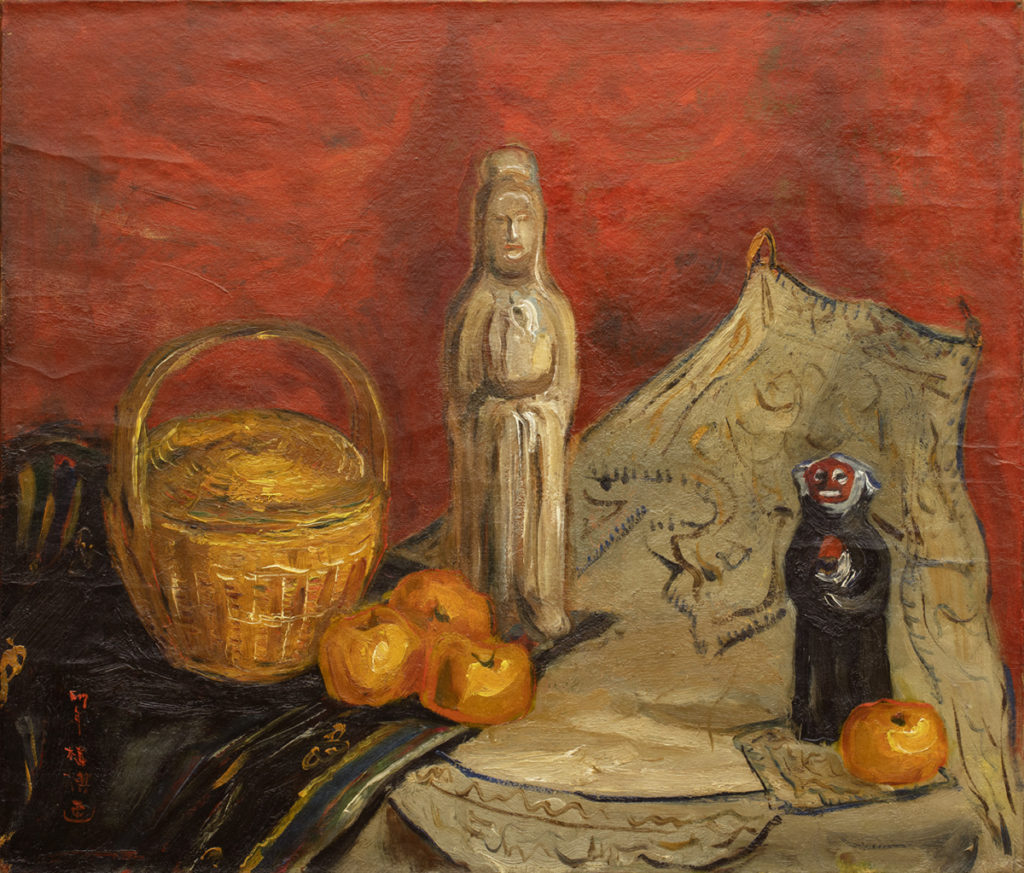
| 植棋的歌:短而亮的生命力 Chen Chih-Chi Solo Exhibition: A Fleeting yet Vibrant Voice. 2026.03.21–06.21 National Taiwan Museum of Fine Arts |
Chen Chih-Chi (1906–1931) was among the first wave of Taiwanese artists to receive formal training in Tokyo during Taiwan’s Japanese colonial period. While Chen Cheng-Po and Huang Tu-Shui are better known internationally, Chen Chih-Chi was equally accomplished. In his brief 26 years, he harnessed “Western” oil painting techniques to develop a distinctive painterly language. He subtly embedded his consciousness of Taiwanese identity into his choice of subjects, articulating a subversive voice during the colonial era. This is a rare chance to see his oeuvre. I am eager to see if NTMoFA will unveil any newly unearthed works or offer a fresh curatorial lens through which to re-examine his practice. (I-Ying Liu)
7.A Penchant for the Orchid Pavilion
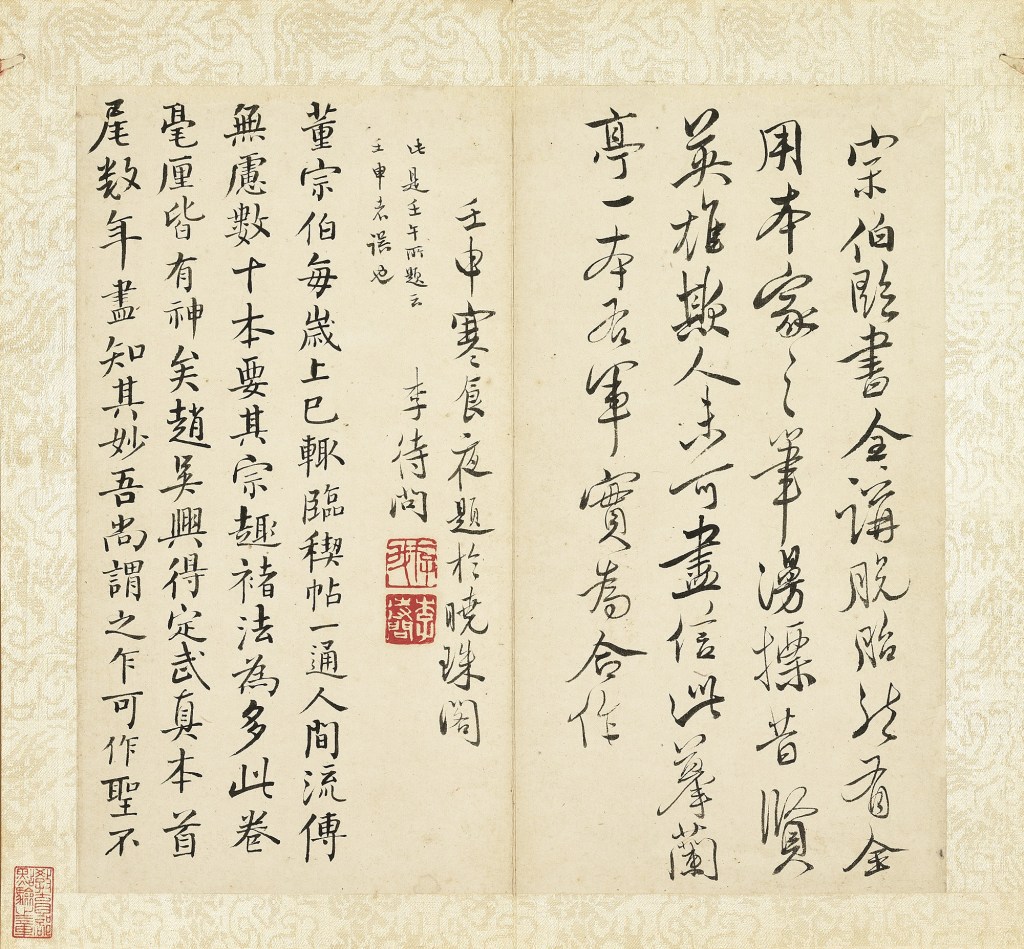
| 蘭亭癖 A Penchant for the Orchid Pavilion 2026.01.16–04.16 National Palace Museum |
As someone who graduated from a Taiwanese academic institution, I have long heard that the Preface to the Orchid Pavilion is hailed as the finest work of running script ever produced by a calligrapher. There are even stories, such as that Emperor Taizong of Tang wished to have it buried with him in his mausoleum, Zhaoling. But why, and in what ways? Why does a work that has long been considered lost still captivate so many, inspire imitation, homage, and even new stylistic developments? This exhibition does not focus on the work’s aesthetic qualities. Instead, it explores the culture of devotion and imagination that has grown around the Preface, and examines how this culture has been constructed and transformed over time. (Elanor Wang)
8. Where We Meet Again (tentative title translation)
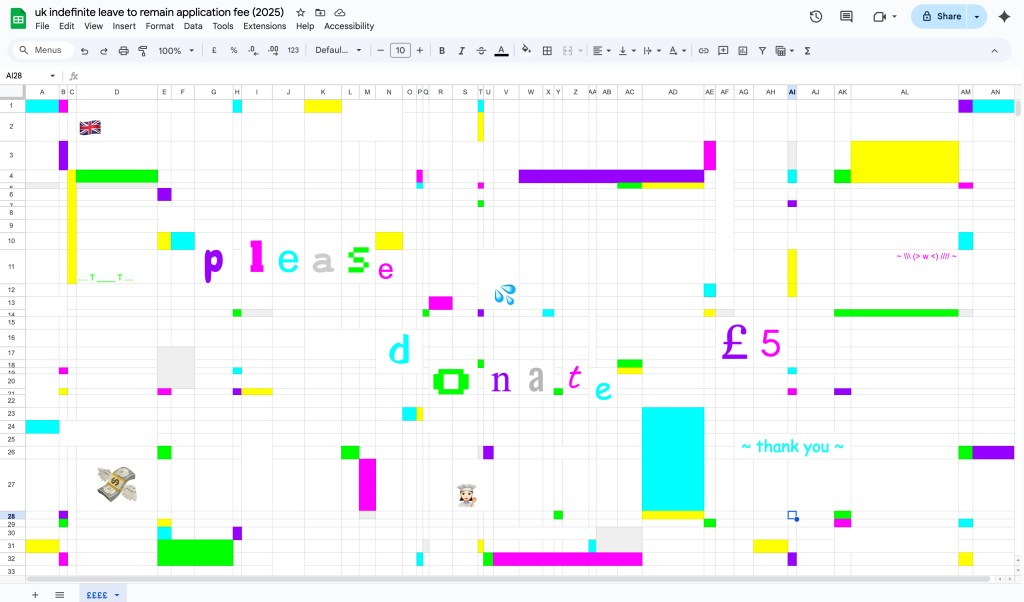
| 我們將再見的地方(暫名) Where We Meet Again (working title translation) Late 2026 MoCA Taipei |
As the final exhibition before the museum’s temporary closure for renovation, Where We Meet Again (tentative title) redirects the curatorial lens from external guests back to the institution’s own exhibition team. This shift operates as a self-reflexive gesture, revisiting memories embedded in MoCA’s historic space while bringing attention to the invisible labour that sustains the institution. I’m especially interested in how the exhibition team’s conversations with the artists will ultimately unfold in the exhibition itself. (I-Ying Liu)
 Muainn
發表留言